ART BASEL 2026
Hall 2.1 – Booth L9

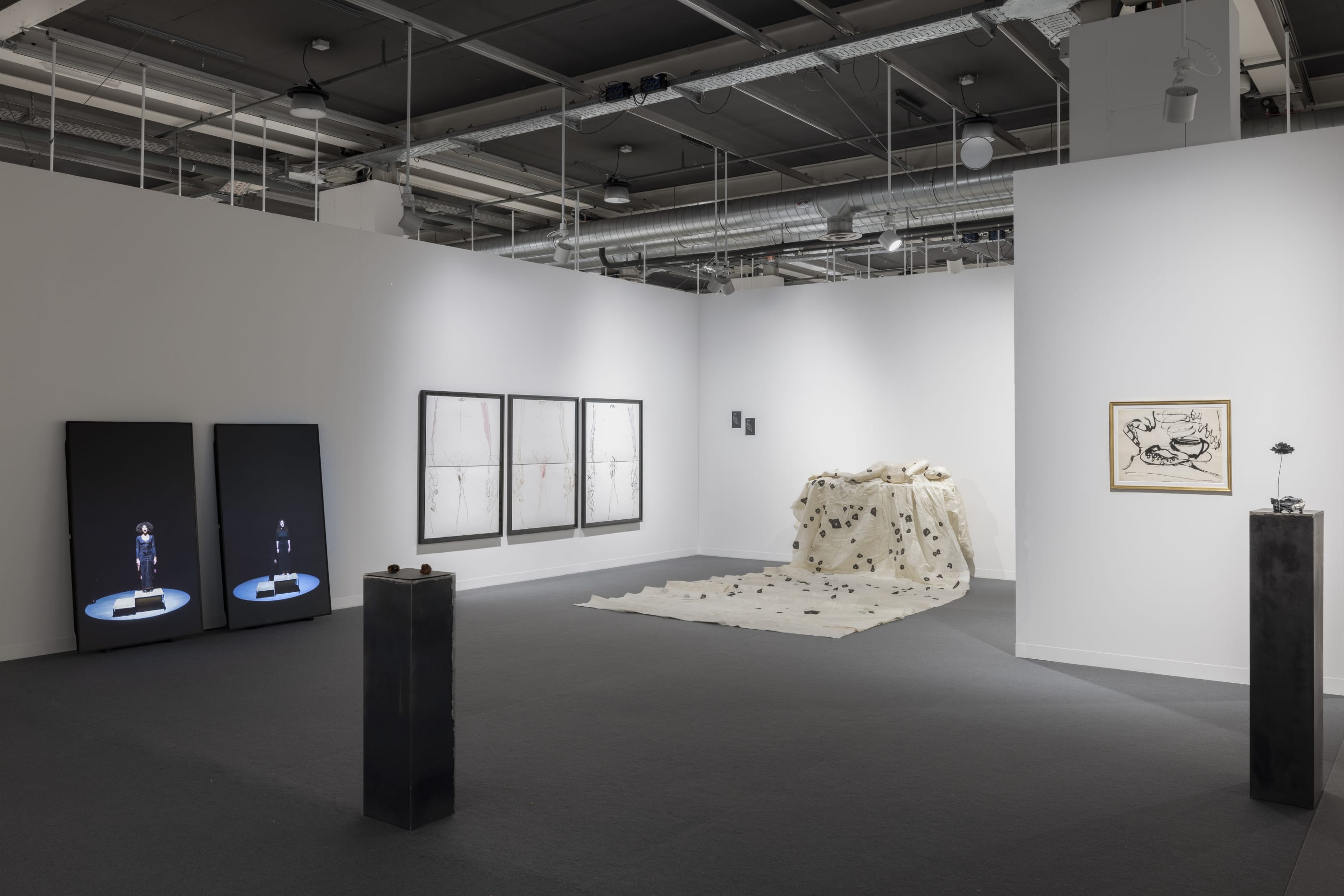
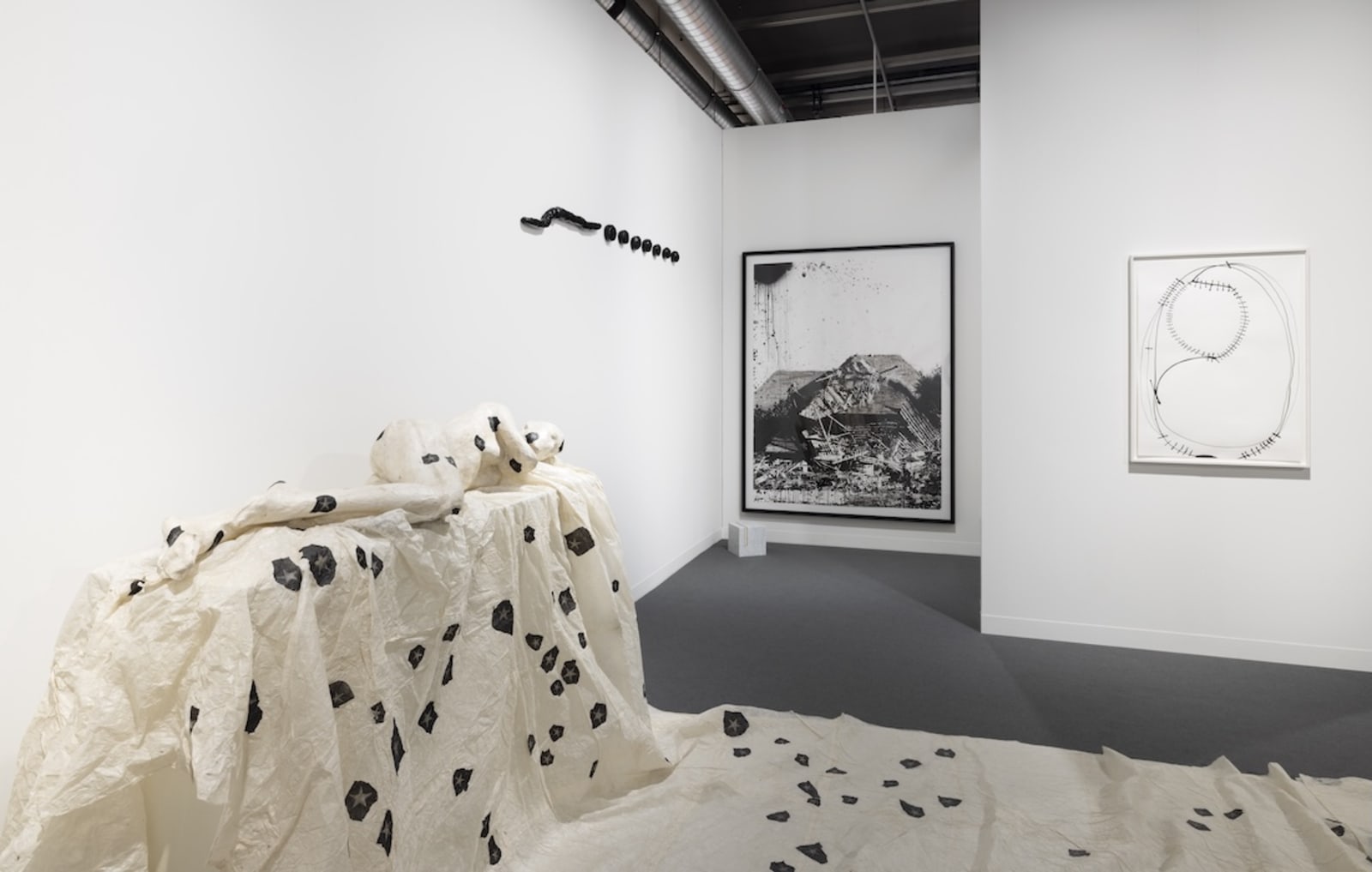
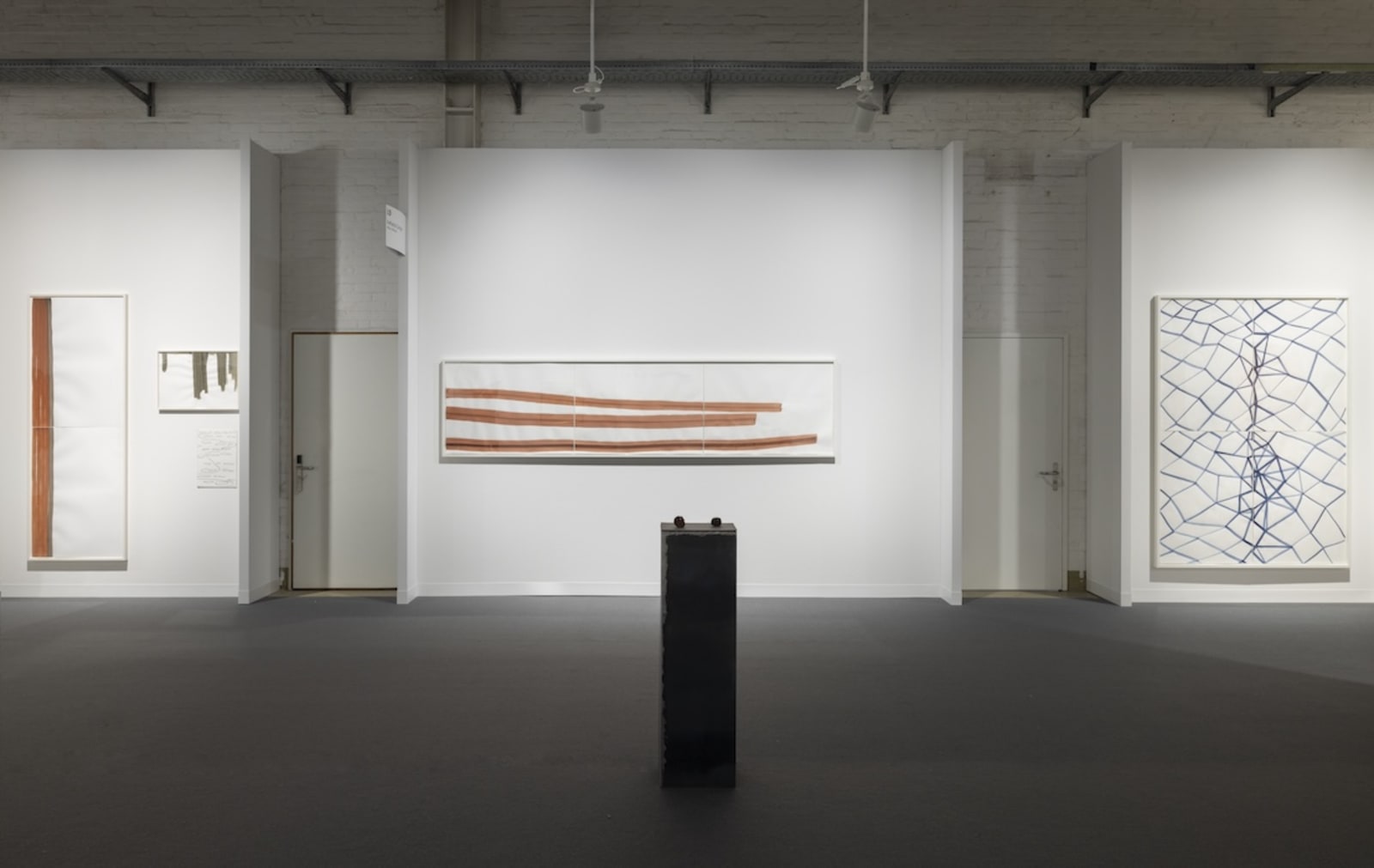
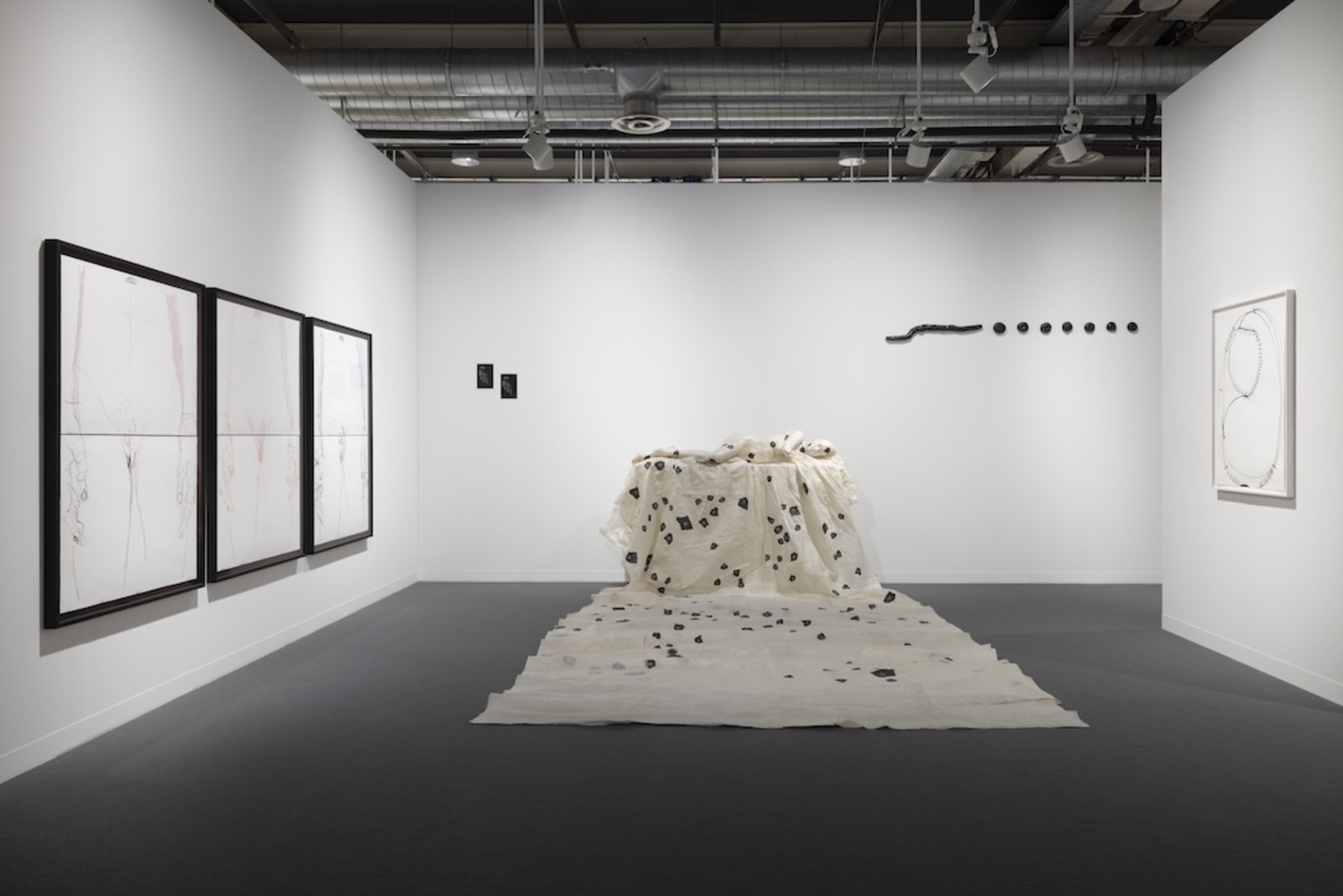
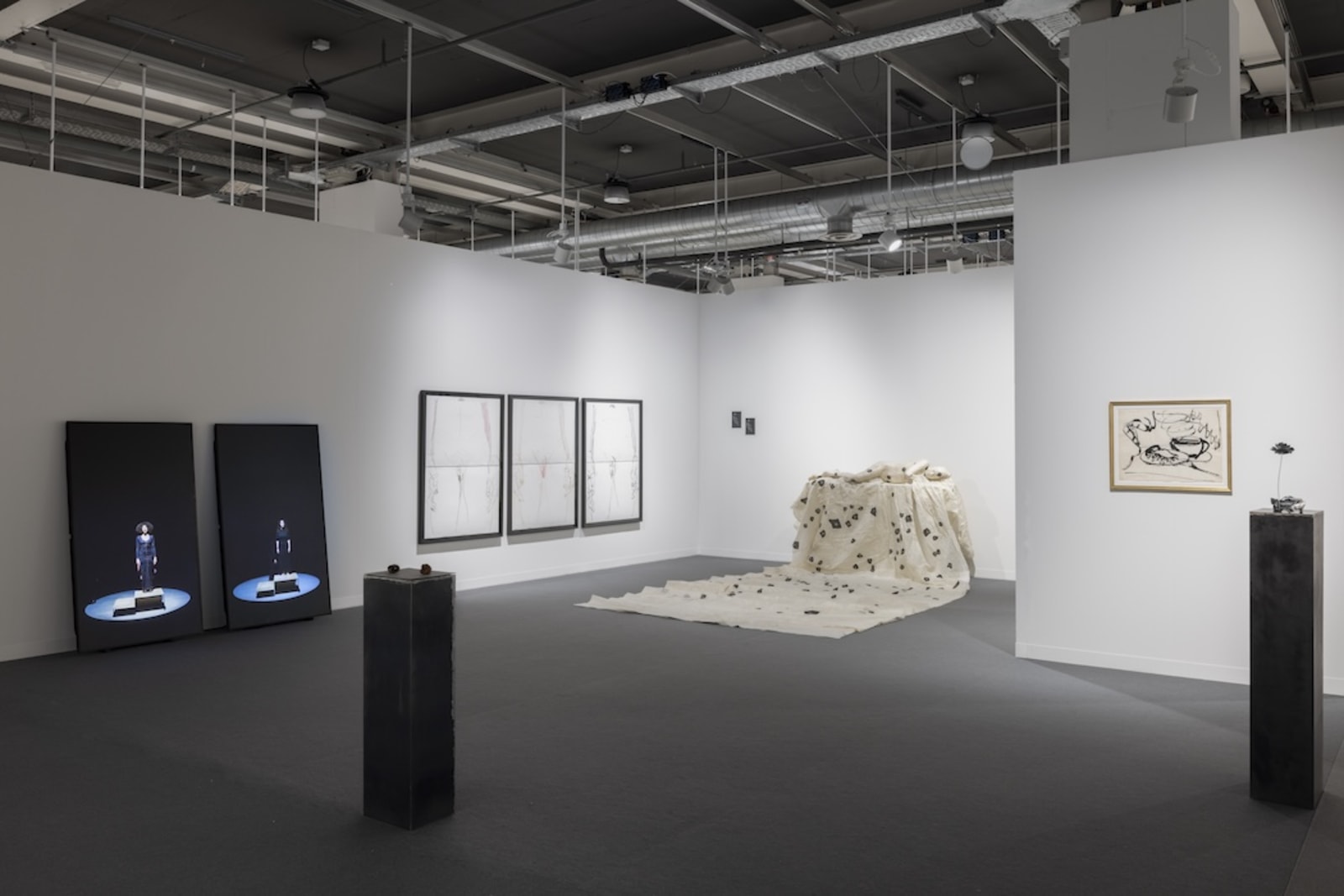
Raffaella Cortese presents a curated proposal bringing together nine artists across different generations, geographies, and practices. Moving through sculpture, drawing, photography, and works rooted in performance, the booth unfolds as a constellation of bodies, presences, and languages: a field of relations in which each work opens onto different ways of seeing, naming, measuring, and inhabiting the body.
Kiki Smith

ink on paper and methylcellulose
353 × 548,6 × 30,5 cm
The gravitational centre of the space is Kiki Smith’s Southern Hemisphere Constellation (1995), a seminal work that traces a celestial map placed at the visitor’s feet. Fragile in its material presence, the work brings together the vastness of the cosmos and the human’s placement within it, suggesting a figure suspended between earth and sky, permanence and ephemerality.
Smith has had major solo exhibitions at institutions including the MoMA, (NY); Whitney Museum (NY); Monnaie de Paris; Haus der Kunst (Munich). Her works are held in prominent museum collections such as the Guggenheim Museum, the MET, Tate, and have been included in five editions of the Venice Biennale.

Watercolor and crayon on kitakata paper
44,5 × 50,8 cm; 50,6 × 59,8 × 4,5 cm framed

Watercolor and crayon on kitakata paper
44,5 × 50,8 cm; 50,6 × 59,8 × 4,5 cm framed
Gabrielle Goliath

Gabrielle Goliath’s practice interrogates the ways in which bodies and identities — particularly black, brown, femme and queer bodies — are seen, heard, held, and remembered. Her work unsettles inherited structures of representation; it affirms bodies that hold themselves together and hold each other, and opens spaces of mourning, relation, and care.
During the 61st Biennale di Venezia, Goliath presents Elegy at the Chiesa di Sant’Antonin, following the cancellation of the South African Pavilion. The project will travel to Ibraaz (London) and ICA Milano. Goliath has presented major projects at institutions including MoMA PS1, (NY); Pinchuk Art Centre (Kyiv); Kunsthaus Baselland (Basel); Musée d’Art Moderne (Paris).

Silvia Bächli

Silvia Bächli extends this reflection into a quieter and more interior register. Taking movement and bodily perception as a starting point, her practice opens onto the realm of feeling, where line becomes a way of inhabiting space, memory, and perception. Unfolding across an entire wall of the booth in a composition designed specifically for the fair, drawing emerges as a personal language: minimal, intimate, and deeply attentive.
Bächli has had major solo exhibitions at institutions including Museo Morandi (Bologna); Centro Botín (Santander); Kunstmuseum Winterthur; Kunsthalle Karlsruhe; Musée Barbier-Müller (Geneva); Pinakothek der Moderne, Munich; and Kunstmuseum St. Gallen.

Roni Horn

Inkjet / pigment print on paper: 5 B/W Prints, mounted on sintra
31,11 × 26,03 cm; 32,3 × 27,1 × 2,5 cm framed each
Roni Horn’s practice complicates the relationship between identity, perception, and change. Across photography, drawing, and language-based works, Horn constructs situations in which looking becomes a temporal and spatial experience. Faces, bodies, words, and forms appear through subtle variations, resisting the idea of a fixed or identical encounter.
Horn has had major solo exhibitions at institutions including Museum Ludwig (Cologne); Centro Botín (Santander); Fondation Beyeler (Basel); Whitney Museum (NY); Tate Modern (London); Centre Pompidou (Paris); Dia Center for the Arts (NY); Museu Serralves (Porto). Her work has also been included in Documenta, the Venice Biennale, and several editions of the Whitney Biennial.

Two pigment prints on rag paper. Bleed images, floated edge-to-edge in frame
34,8 × 53,8 cm; 40 × 59,3 × 3 cm framed

Watercolor, pen and ink, gum arabic on watercolor paper, cellophane tape
58,42 × 39,37 cm; 69,8 × 49,2 cm framed
Simone Forti

Set of 2 b/w photographs; ph. Isabelle Meister
24,1 × 16,5 cm (each)
Simone Forti’s work brings the discussion back to movement, gesture, and kinesthetic awareness. A leading figure in contemporary performance, Forti has long investigated the relationship between body, object, improvisation, and space. Across her practice, the performing body appears as a living field of relation: suspended, responsive, and capable of activating materials, images, and spaces through movement.
Forti has presented solo exhibitions and performances at institutions including MOCA (LA); Centro Pecci (Prato); ICA Milano; Moderna Museet (Stockholm); Louvre (Paris); Museo Nacional Centro de Arte Reina Sofía (Madrid); Castello di Rivoli (Turin); MoMA PS1 (NY). She was awarded the Golden Lion for Lifetime Achievement at the Biennale Danza 2023 and participated in the 60th International Art Exhibition of La Biennale di Venezia in 2024.

Liliana Moro

Liliana Moro’s sculptures shift the language of the monument toward instability and contradiction. Conceived as an ideal project for a public square, the work does not celebrate triumph or permanence, but rather damage, rupture, and precarious balance. In this sense, Moro proposes an anti-monument, allowing what is usually excluded from public commemoration to occupy the centre of the scene.
Moro has exhibited at institutions including PAC (Milan); GNAM (Rome); MAXXI (Rome); Triennale di Milano; MAMbo (Bologna); MoMA PS1 (NY); Moderna Museet (Stockholm); and Castello di Rivoli (Turin). Her works are held in major public collections, and she represented Italy at the 58th Venice Biennale in 2019, and taken part in Documenta IX.
Marcello Maloberti

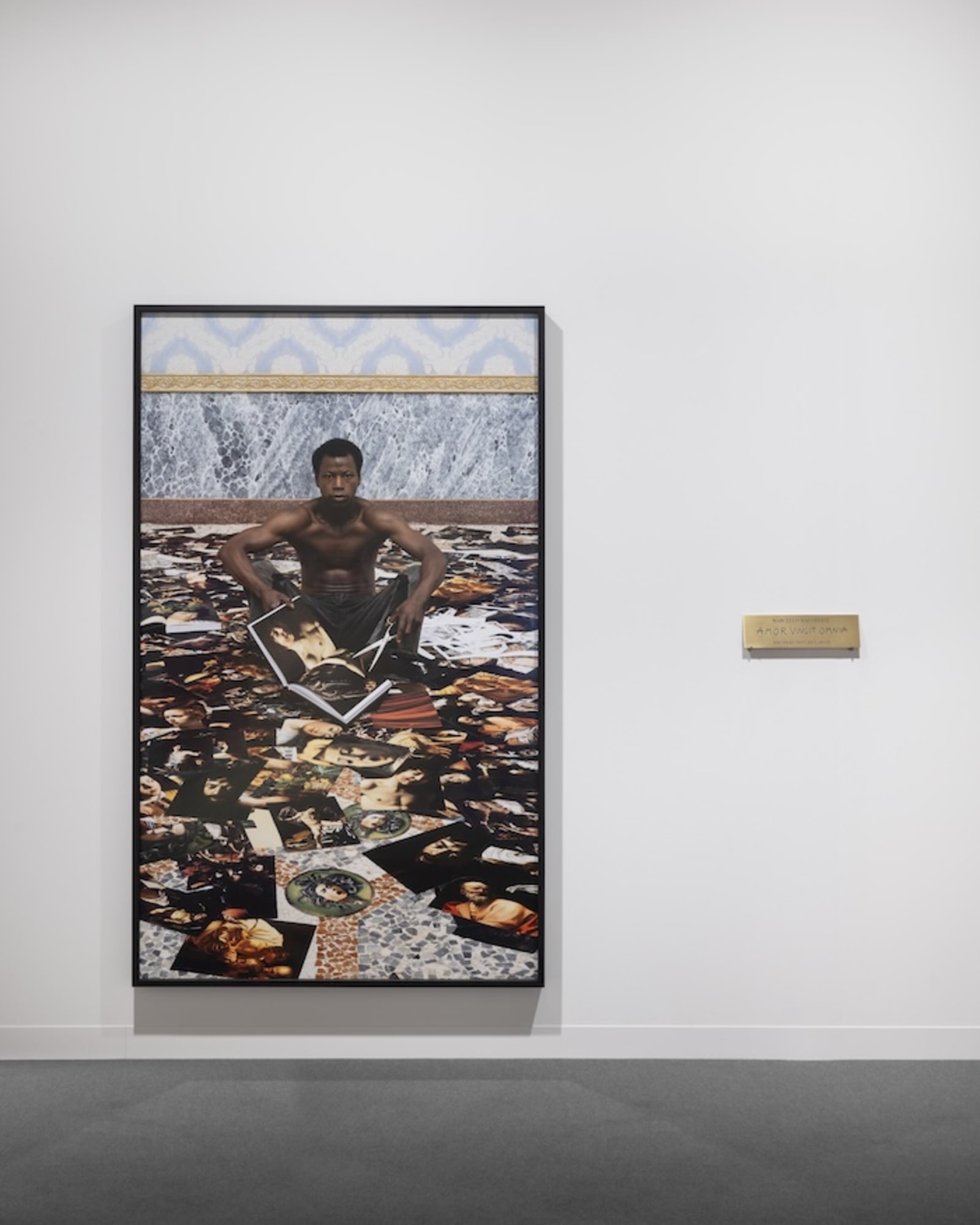
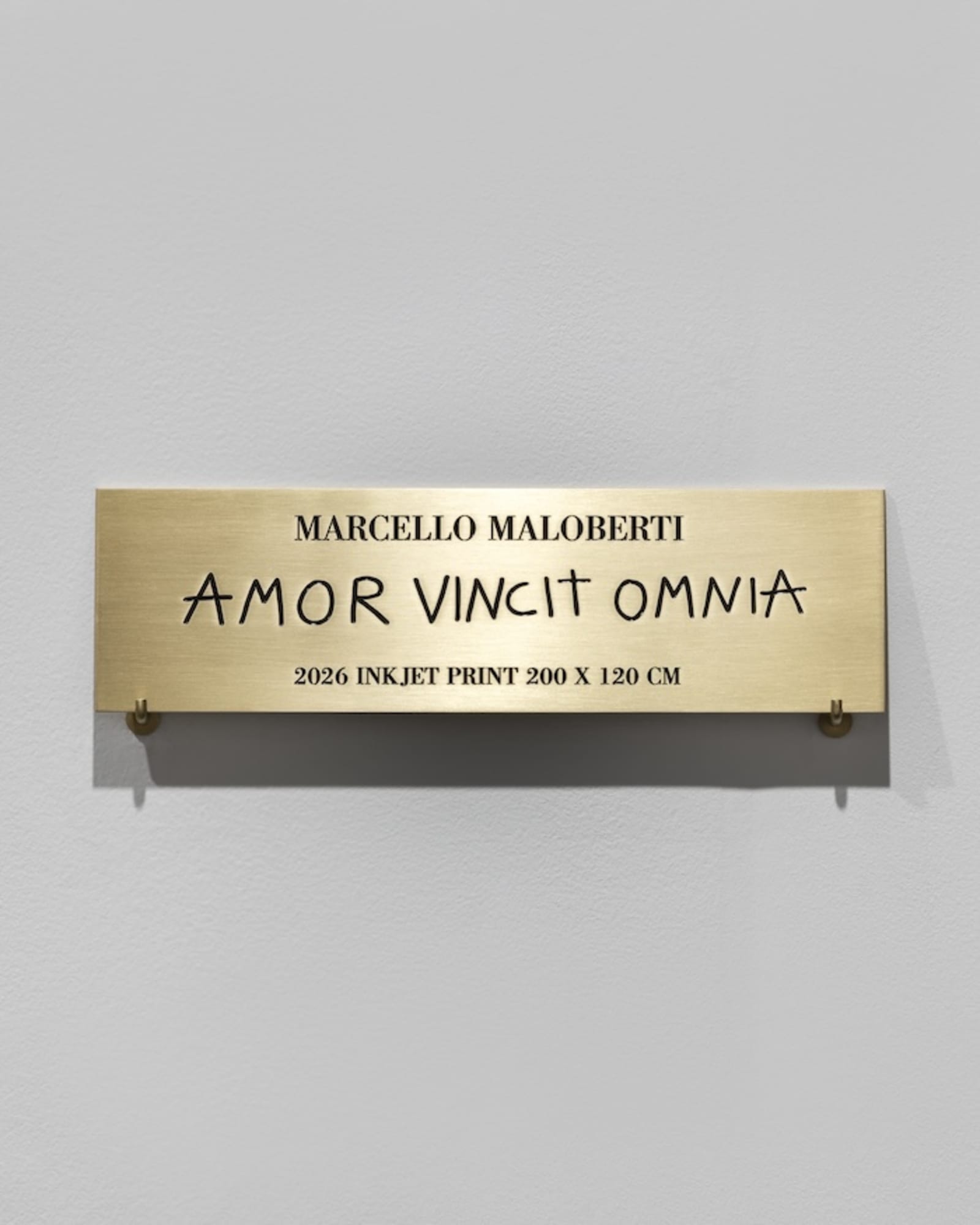
Marcello Maloberti engages directly with the imagery of Western art history. His iconic figure — a young man captured in the act of cutting fragments from reproductions of Caravaggio’s works — stages a gesture that is at once playful and critical. The canon is not simply cited, but handled, interrupted, and transformed into a new visual language.
Maloberti has held solo exhibitions at institutions including PAC (Milan); MAXXI (Rome); Triennale di Milano; Kestner Gesellschaft (Hannover); MACRO (Rome); Generali Foundation (Vienna); and GAMeC (Bergamo). His work has been presented at the 55th Venice Biennale, the 16th Quadriennale d’Arte, Bangkok Art Biennale, Manifesta, and Performa New York.

Francesco Arena

Francesco Arena’s work often begins from a measure: a distance, a weight, a proportion, a physical limit. Through sculpture, these elements become matter, form, and language. In his practice, bodily scale becomes a unit of reletion, a way to translate experience, memory, and history into precise material structures.
Arena has had solo exhibitions and projects at institutions and contexts including Fondazione Nicola Del Roscio (Rome); Palazzo Borromeo (Milan); BASE / Progetti per l’arte (Florence); Art Basel Unlimited; TRA – Treviso Ricerca Arte; Olnick Spanu Art Program, Garrison (NY); Frac Champagne-Ardenne (Reims); Museion (Bolzano); and De Vleeshal (Middelburg).

Carrara marble; Frankenstein by Mary Shelley
20,5 x 20,5 x 20,5 cm
Monica Bonvicini

Monica Bonvicini’s Hurricanes and Other Catastrophes series brings the body into the unstable space of disaster, reflecting on man-made catastrophes and the effects of global warming, where homes and structures appear as fragile extensions of human vulnerability. Here, line and space become instruments of excavation, exposing unstable relationships between architecture, control, resistance, and collapse.
Bonvicini has had major solo exhibitions at institutions including Palais de Tokyo (Paris); Secession (Vienna); SculptureCenter (NY); Kunstmuseum Basel; Kunsthalle Fridericianum (Kassel); Belvedere 21 (Vienna); OGR Torino; Kunsthaus Graz; Kunstmuseum Winterthur; Bauhaus Dessau; and Neue Nationalgalerie (Berlin). Her work has also been featured in numerous international biennials, including Venice, Berlin, Istanbul, Gwangju, New Orleans, and Busan.

Men’s black leather belts, silver rivet screws
88 × 72 × 22 cm

Tempera and spray paint on Fabriano paper
150 × 100 cm; 159 × 109,2 × 5,4 cm framed