Metamorfosi
For her first exhibition at Raffaella Cortese, Liliana Moro conceives a site-specific intervention that involves the gallery’s three spaces through the transformation of light. The title, Metamorfosi, stems from a reflection on change as a condition of the present: a process that runs through our way of inhabiting the world, our relationship with work, with others, with nature, and with ourselves.
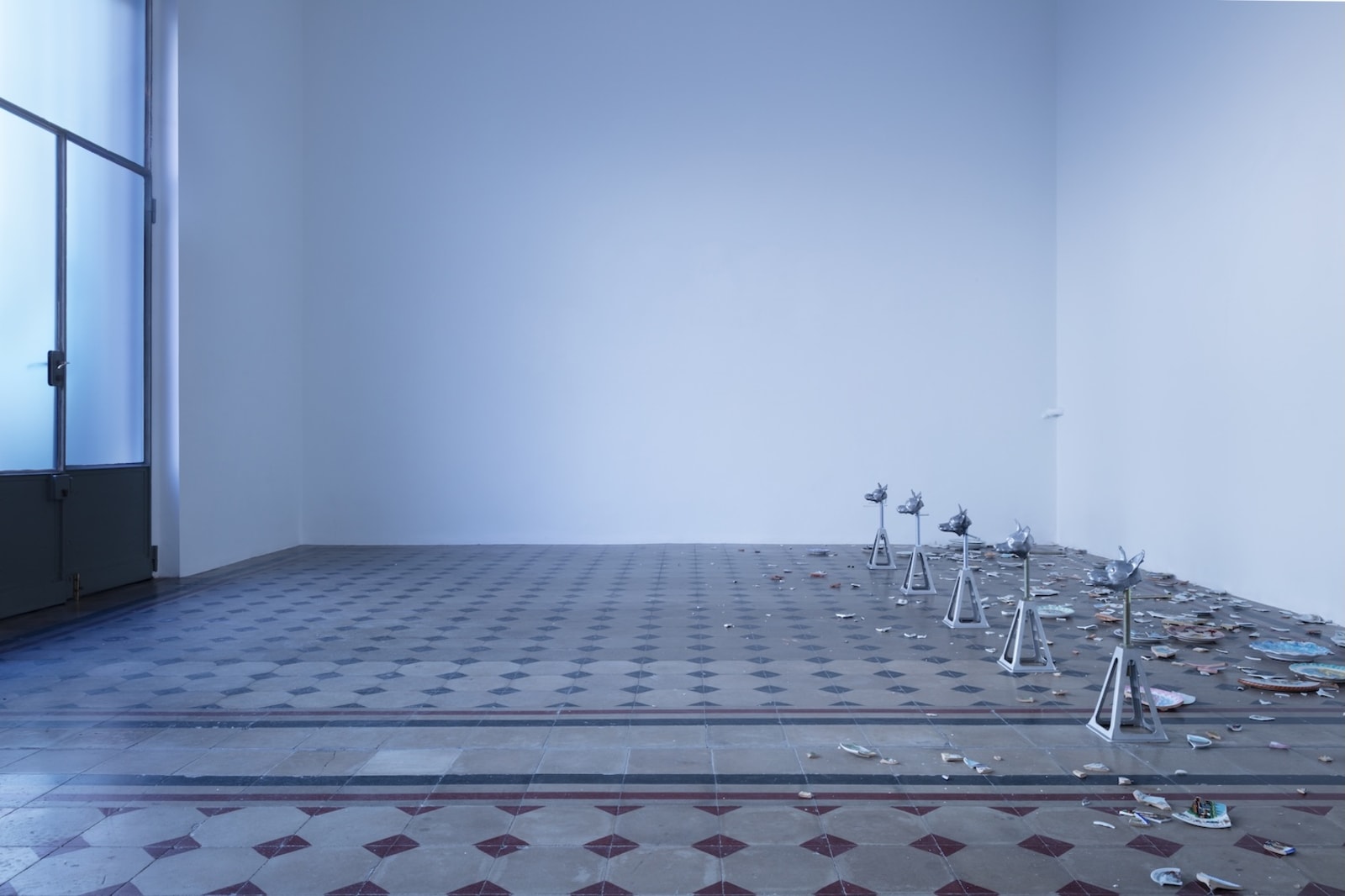
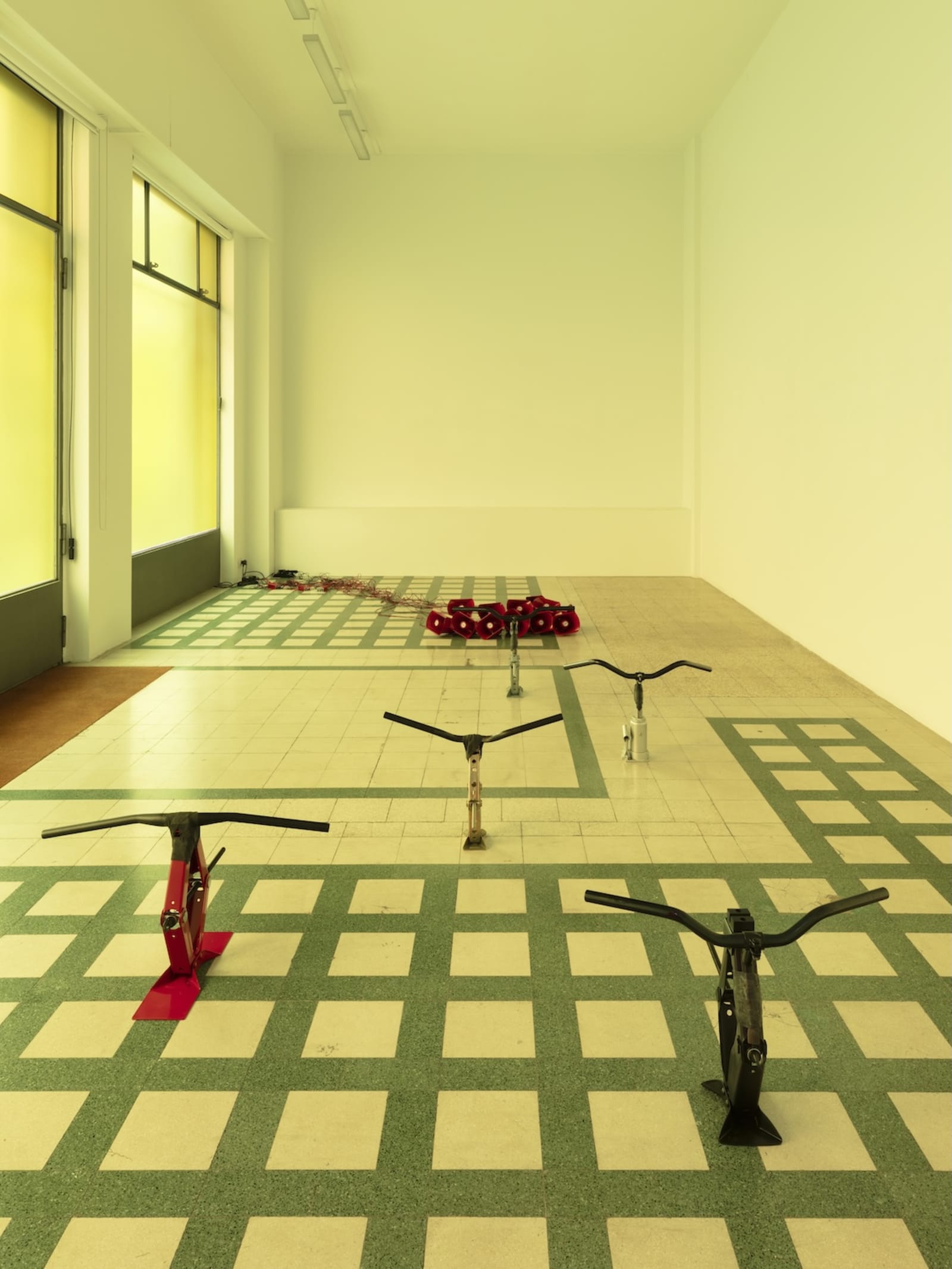
The light coming from outside is altered as it enters, modifying the perception of the spaces from within and denying, from the street, a direct view of the exhibition. The relationship between inside and outside is thus deformed: the space receives the exterior through the works, while the interior is transformed by filtered light, which becomes a perceptual threshold and introduces the visitor into an unstable condition.
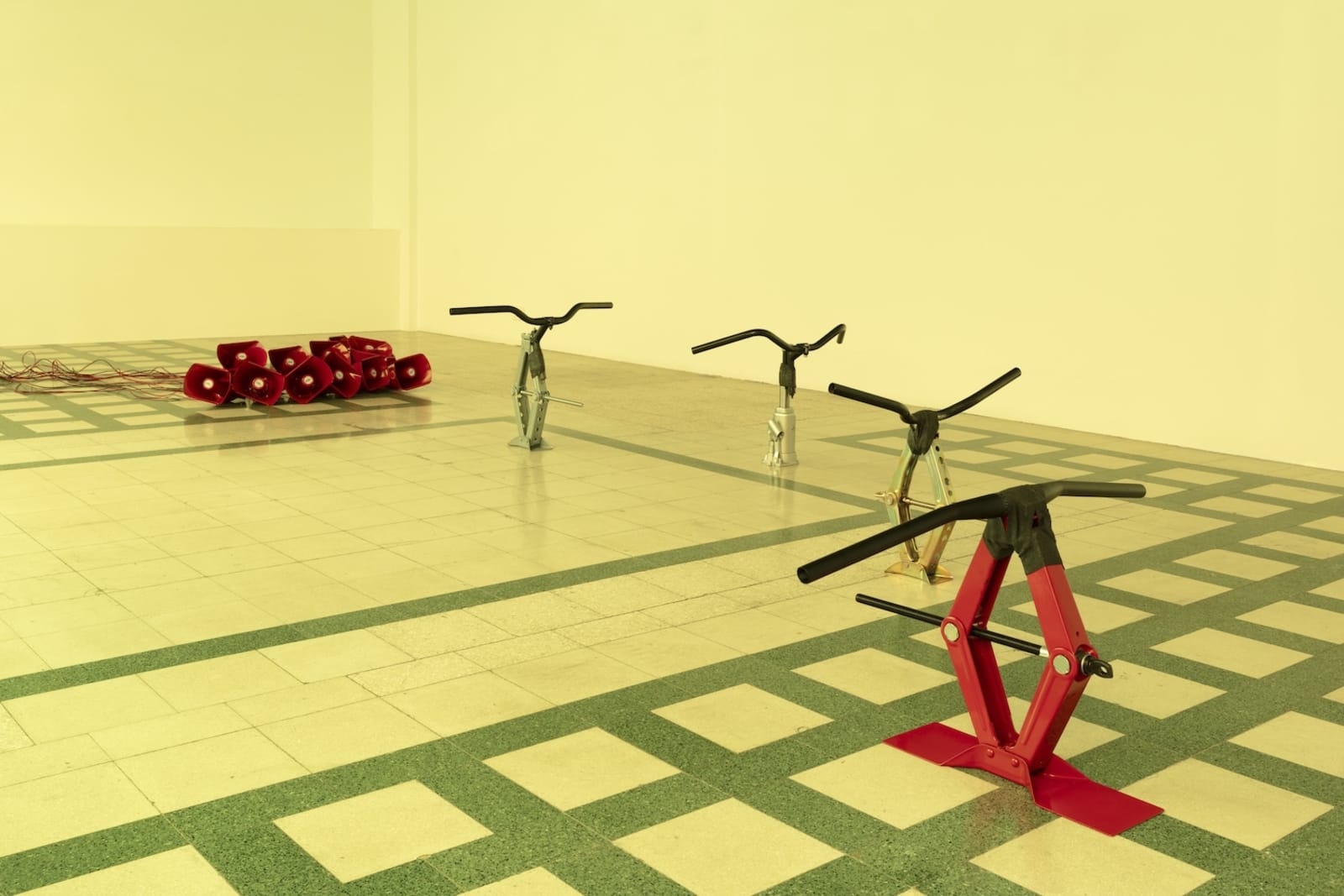
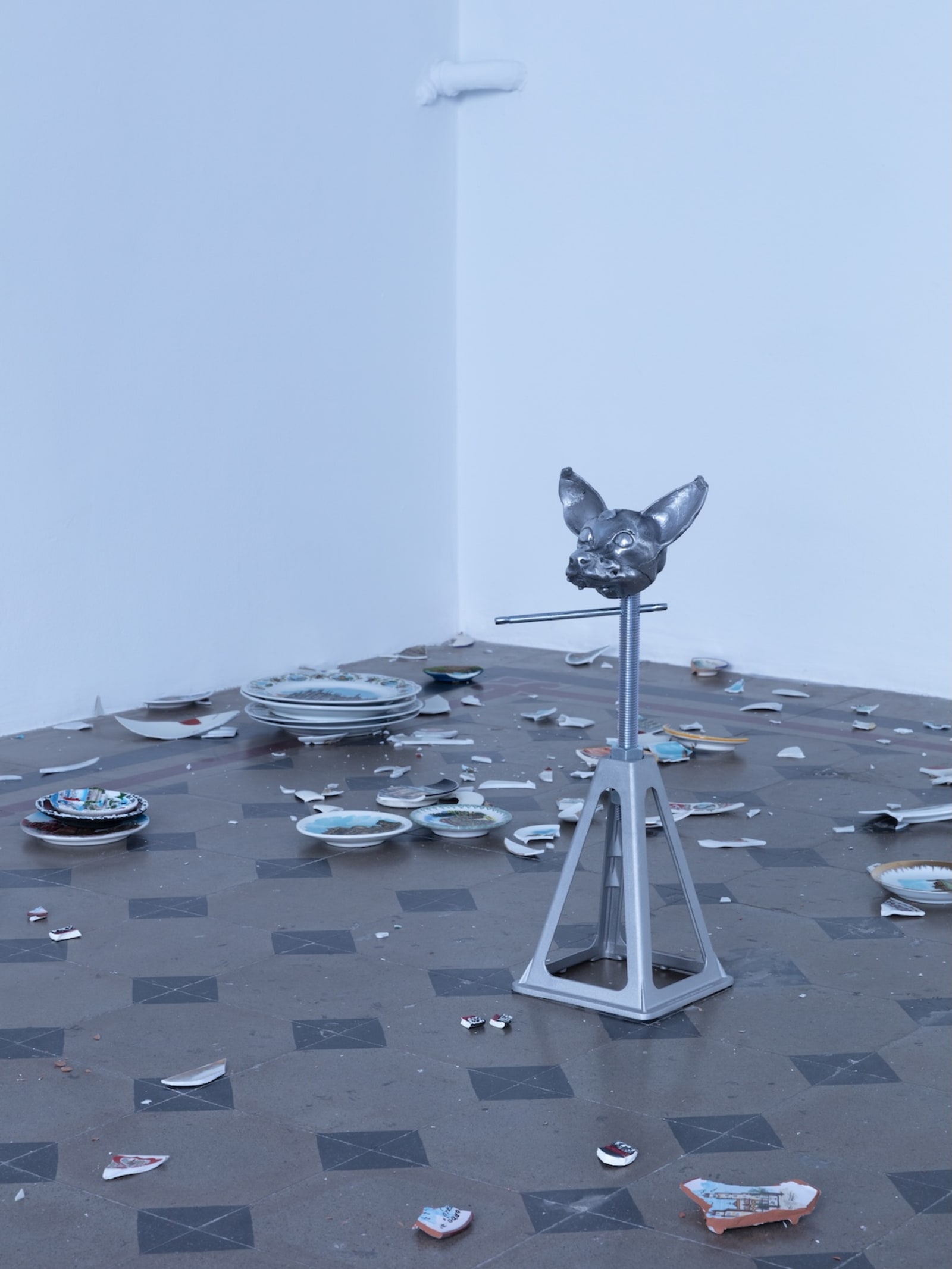
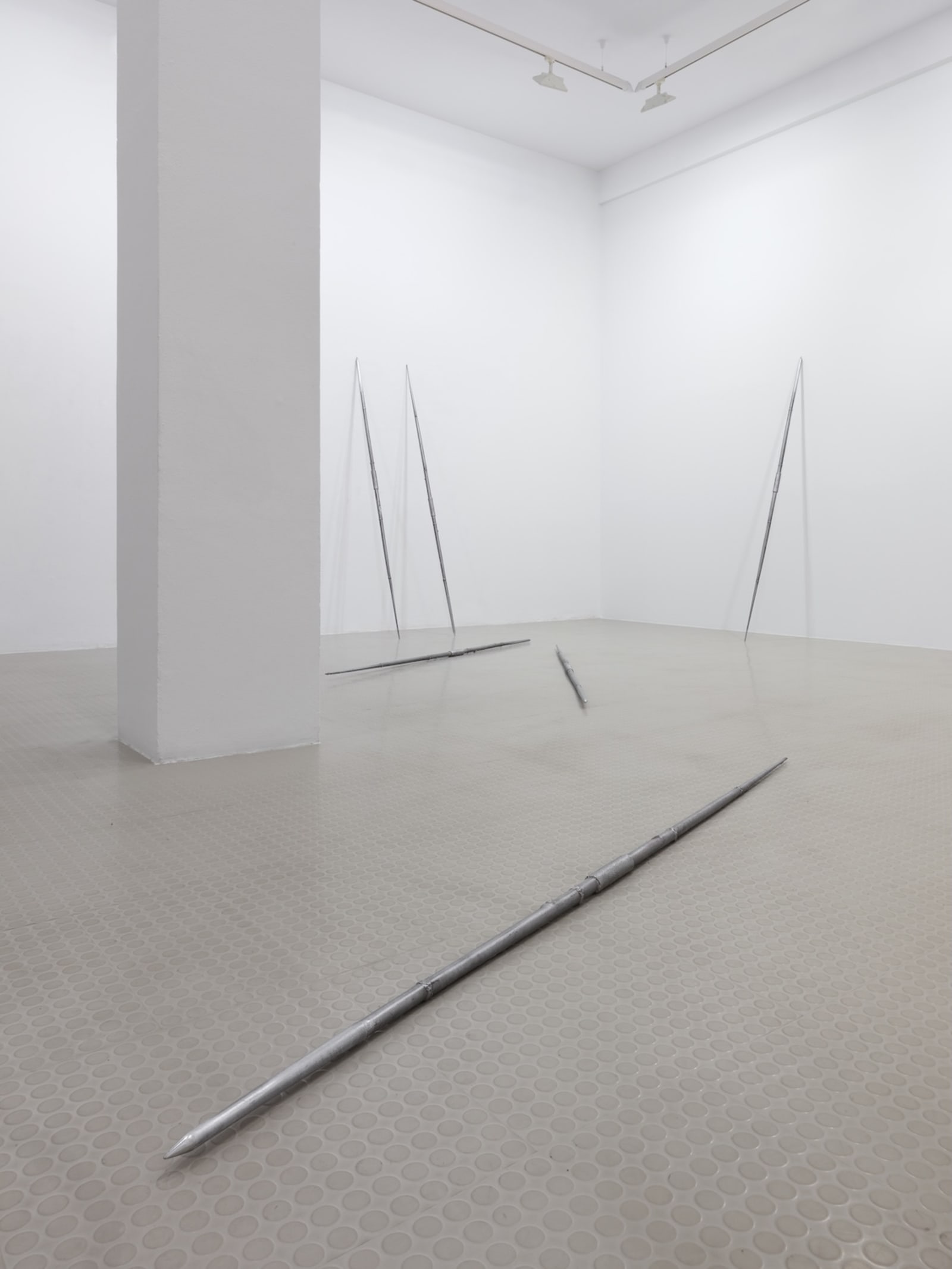
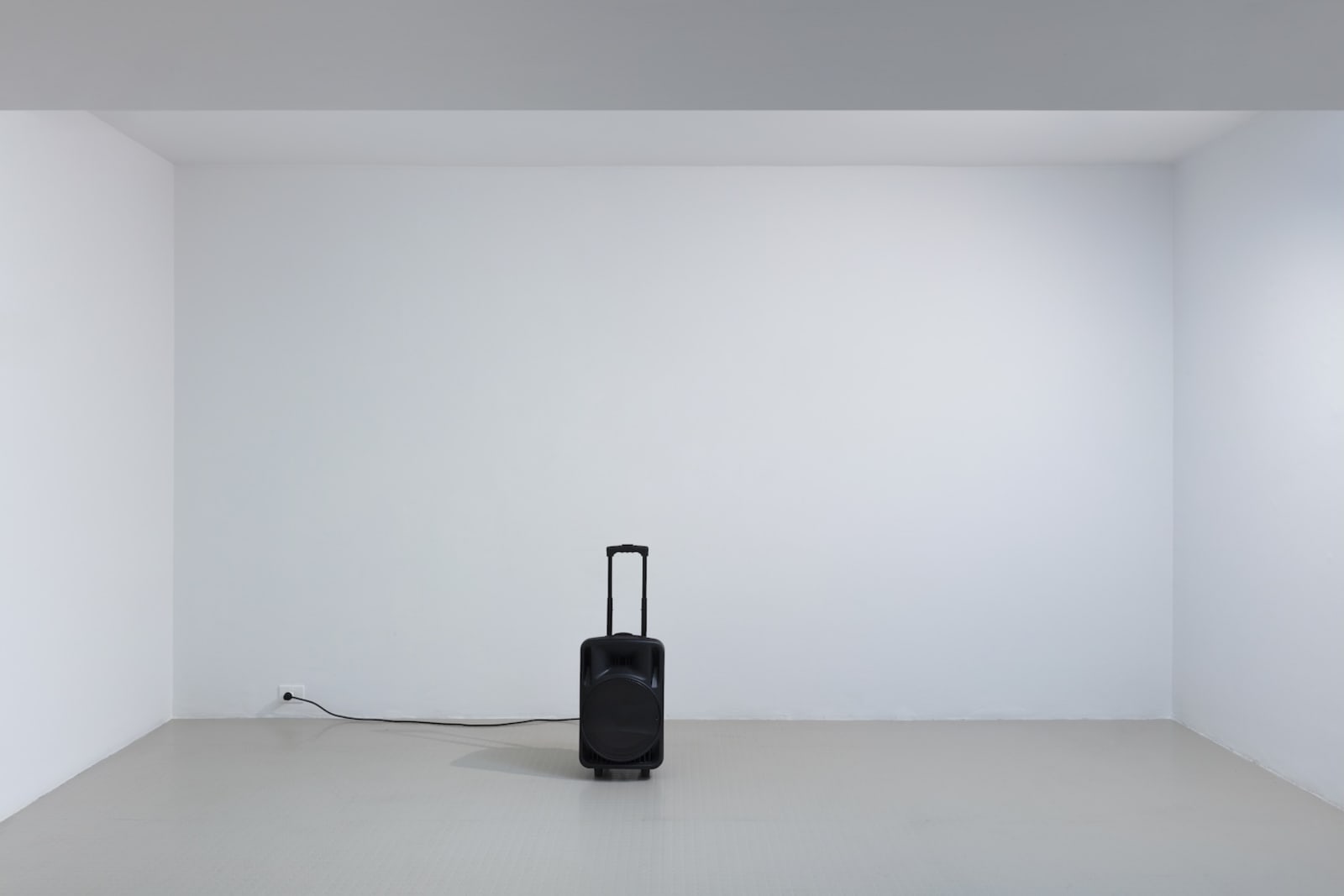
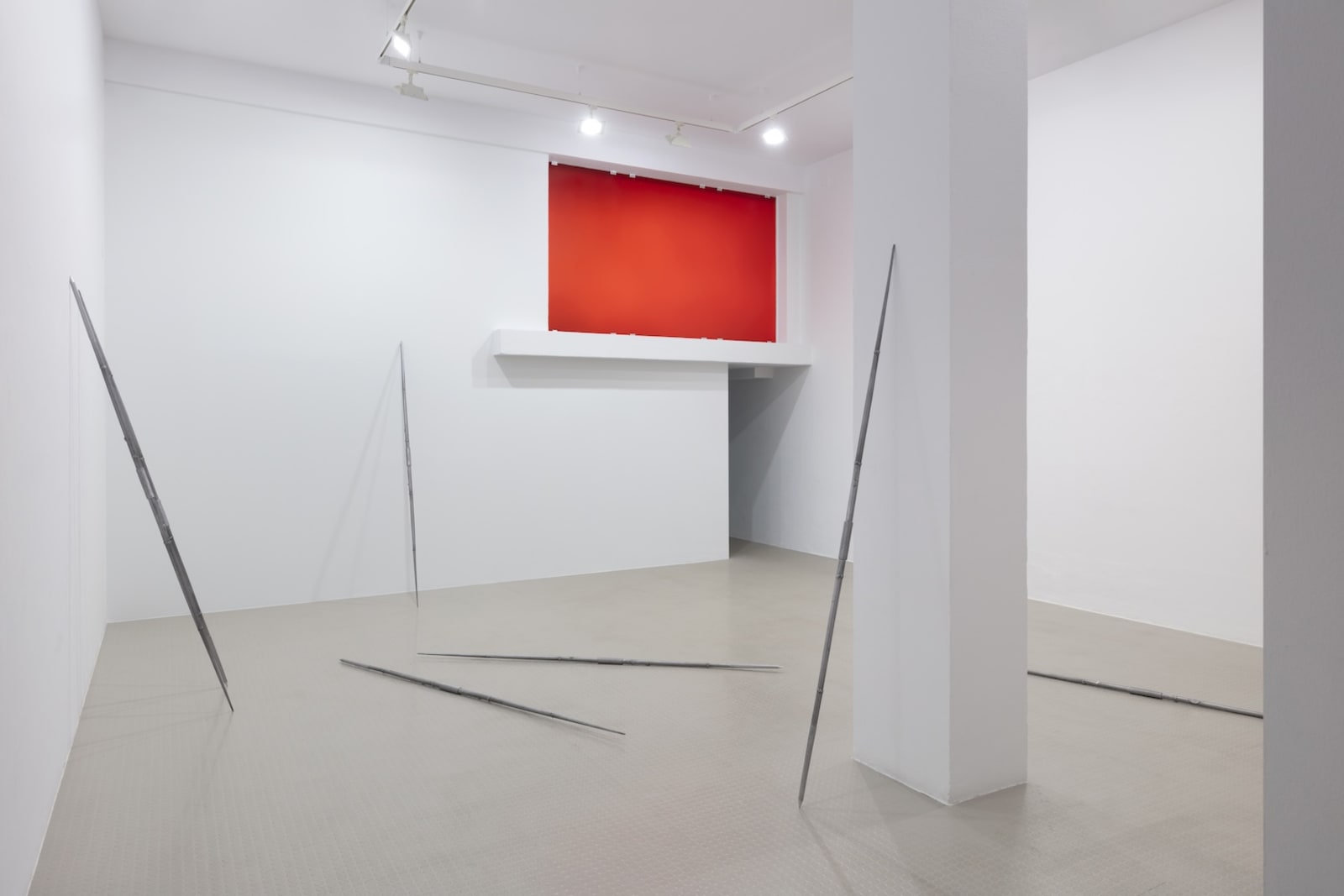
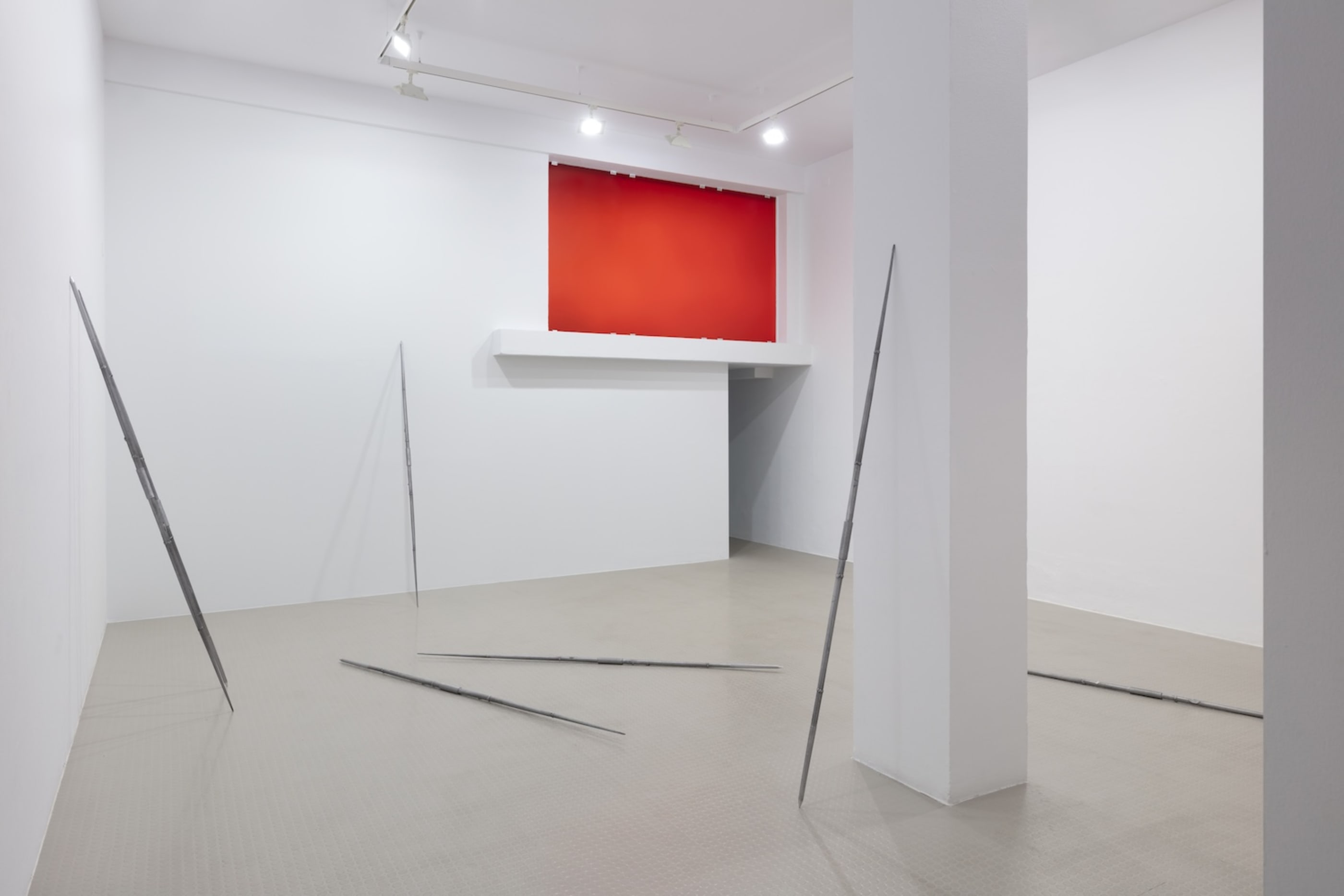
Inside, a constellation of heterogeneous elements is removed from its original function and relocated in a state of suspension. Bicycle handlebars, jacks, acoustic horns, dog heads, fragmented souvenir plates, and aluminium javelins belong to different imaginaries, yet share the same condition of displacement. Things remain recognizable, and yet no longer coincide with their use, holding gestures, memories, and possibilities for action like traces of something that might happen in an imprecise time, or seems to have already happened elsewhere. As often occurs in Moro’s practice, the familiar suddenly appears off-kilter, the object of use loses its self-evidence, and the everyday takes on an unexpected physical and mental density.
The metamorphosis evoked by the exhibition does not follow a single direction. It is transformation, but also collapse; movement, but also loss; the possibility of change, but also the awareness of what risks disappearing. Some elements refer to bodies moving through urban space and to the more fragile forms of contemporary labor; others introduce a reflection on the relationship between the human, the animal, and the natural, on care, respect, and the progressive erosion of a shared gaze. The objects do not illustrate these themes directly, but allow them to emerge through friction, through juxtapositions, deviations, and physical tensions.
Across the three spaces on Via Stradella, the artist constructs an environment in which the threshold between inside and outside, between image and presence, between seeing and understanding, becomes the very site of the experience. The exhibition presents itself as a device for attention, asking visitors to inhabit an unstable condition in which what appears close and recognizable progressively reveals its distance, its fragility, and its own account of transformation.
Installation views